
Platform profile · India · Missile-assisted standoff lightweight-torpedo delivery system · Indian Navy
Supersonic Missile-Assisted Release of Torpedo
TestingThe May 1, 2024 ground-mobile flight test validated symmetric separation, torpedo ejection and velocity control; further trials were still required.
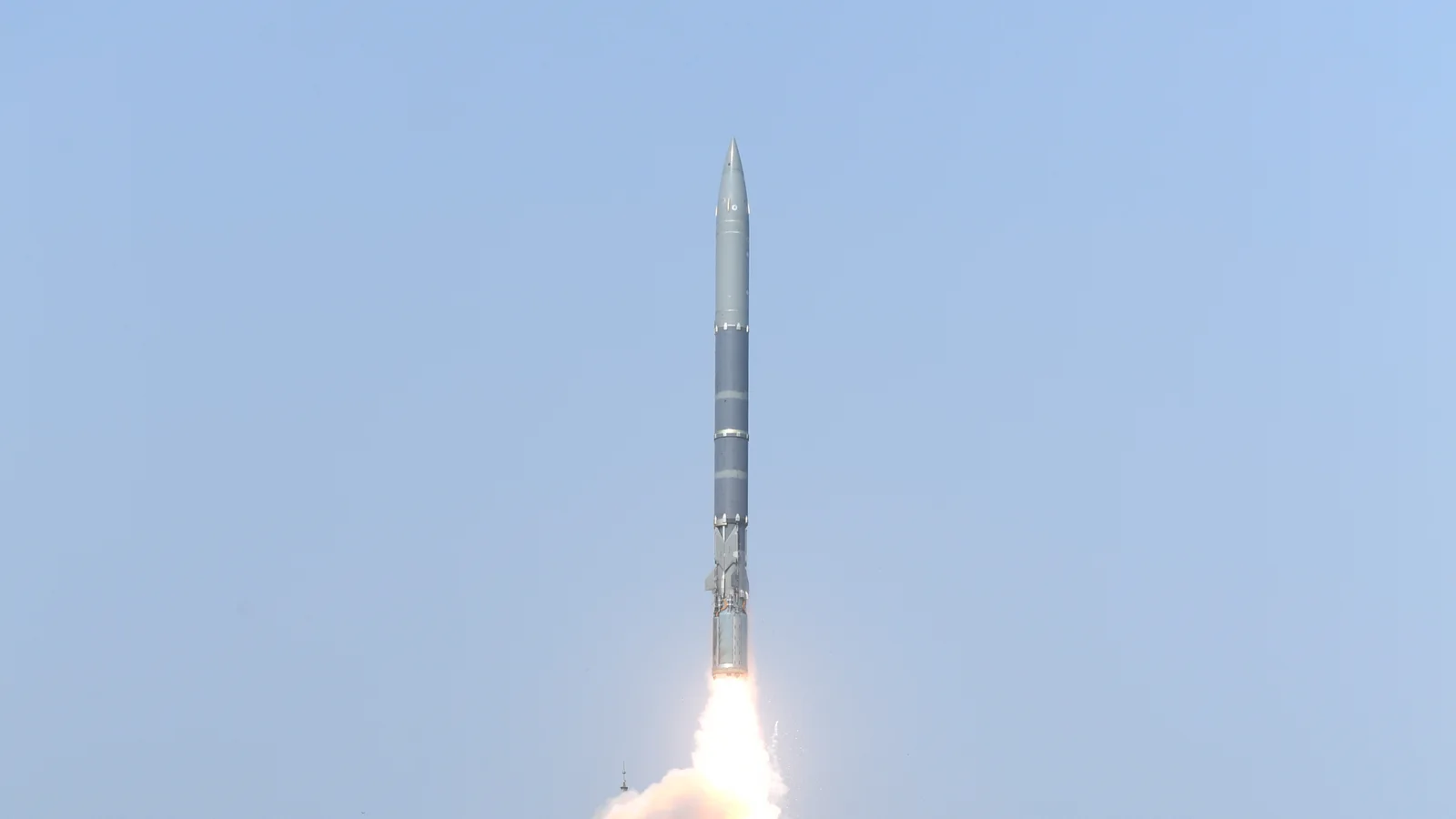
On May 1, 2024, DRDO flight-tested SMART from a ground-mobile launcher off Odisha and validated symmetric separation, ejection and velocity control. Reporting on the test said the system remained in development and would require further trials, including ship launch and an end-to-end underwater engagement. SMART combines a canisterised two-stage solid-propellant missile with precision inertial navigation, electromechanical actuation and a parachute-released advanced lightweight torpedo. Earlier official launches in December 2021 and October 2020 demonstrated full-range flight and the missile-to-torpedo release sequence. The system matters because it is intended to let the Indian Navy attack detected submarines far beyond the reach of a conventionally launched lightweight torpedo.
Updated 2.3 years ago Updated 1 May 2024
Verified figures
Specifications
| Specification | Value |
|---|---|
| System class | Next-generation missile-based lightweight-torpedo delivery system ↗ |
| Primary role | Anti-submarine warfare at distances beyond conventional lightweight-torpedo range ↗ |
| Launch arrangement | Canisterised missile launched from a ground-mobile launcher in documented trials ↗ |
| Propulsion | Two-stage solid propulsion ↗ |
| Actuation | Electromechanical actuator system ↗ |
| Navigation | Precision inertial navigation system ↗ |
| Payload | Advanced lightweight torpedo ↗ |
| Payload delivery | Parachute-based torpedo release system ↗ |
| Validated sequence | Missile flight, nose-cone separation, torpedo release and velocity-reduction/parachute deployment ↗ |
| Range disclosure | No official numerical operational range disclosed in the cited DRDO/PIB sources ↗ |
| Development laboratories | DRDL, RCI Hyderabad, ADRDE Agra and NSTL Visakhapatnam ↗ |
Spec sources: pib.gov.in ↗ · pib.gov.in ↗ · pib.gov.in ↗
Changelog
Program timeline
-
DRDO flight-tested SMART at about 08:30 from a ground-mobile launcher on Dr APJ Abdul Kalam Island and validated symmetric separation, ejection and velocity control for the canisterised missile and lightweight-torpedo payload.
-
A launch from Wheeler Island demonstrated the missile's full-range capability while carrying a torpedo, parachute delivery system and release mechanisms; electro-optical telemetry, range radars and downrange ships monitored the trajectory.
-
The first publicly announced SMART flight test from Wheeler Island met objectives for missile flight, nose-cone separation, torpedo release and deployment of the Velocity Reduction Mechanism.
0 tagged stories
Coverage
No tagged stories yet — coverage lands here automatically.